A few things first:
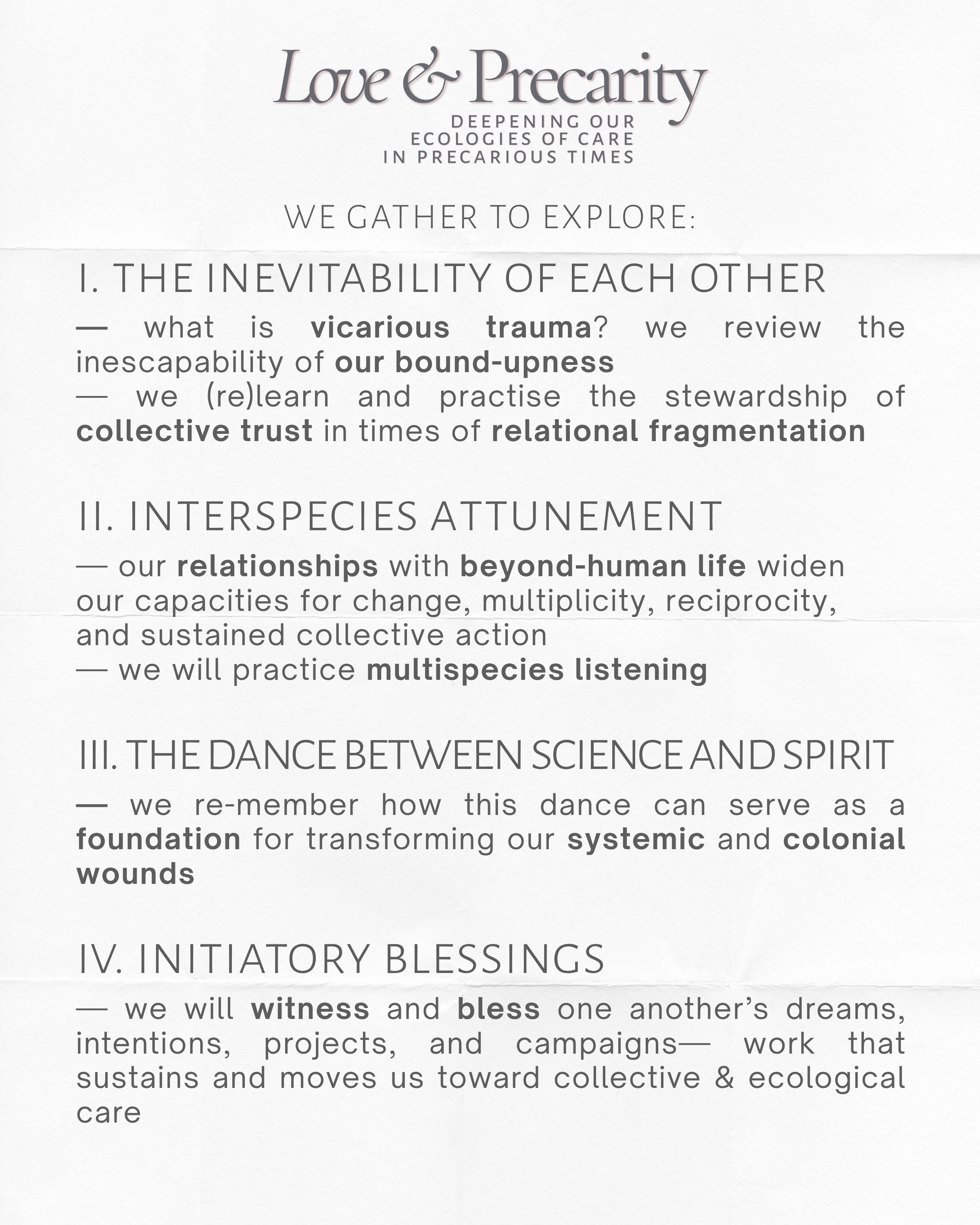
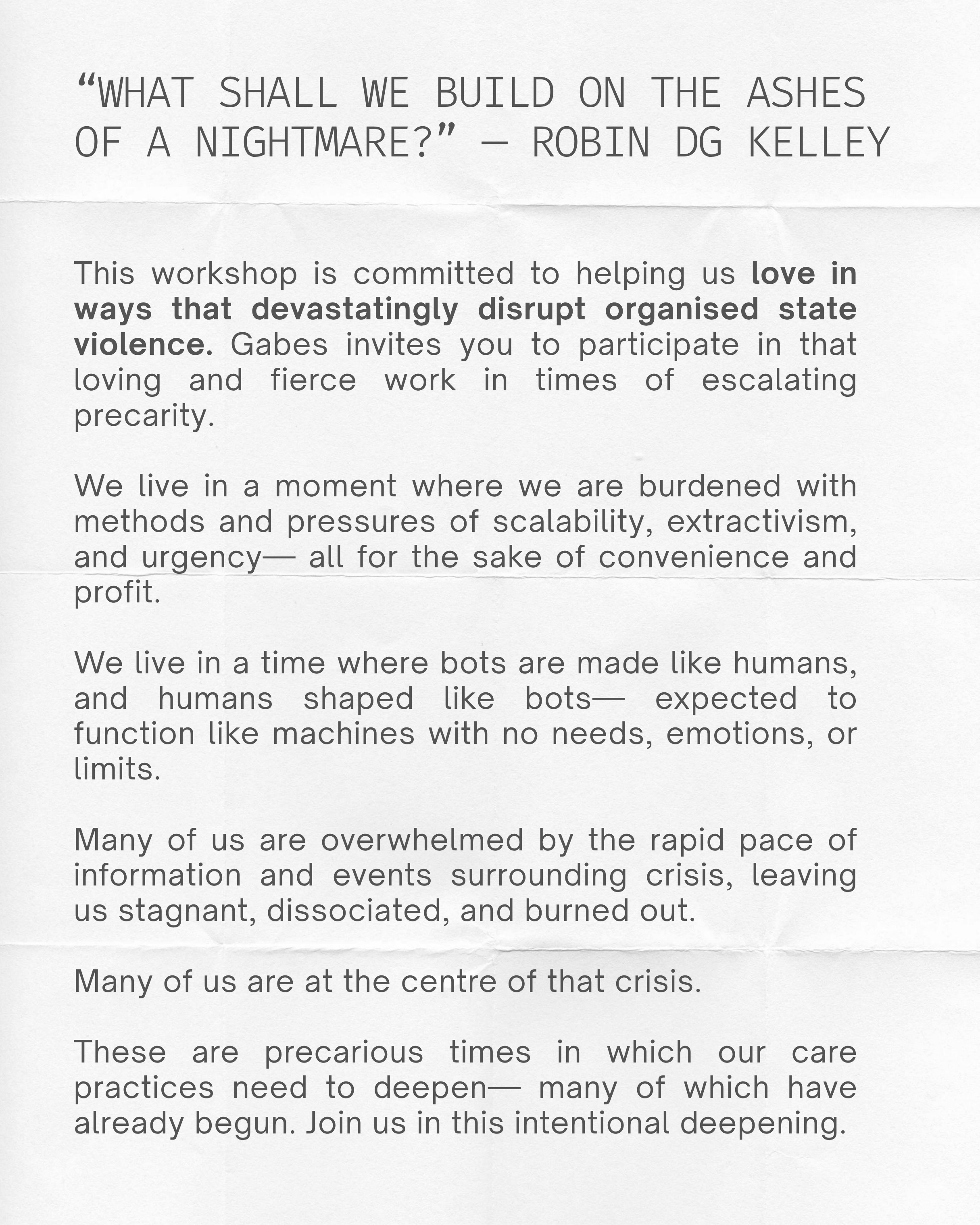
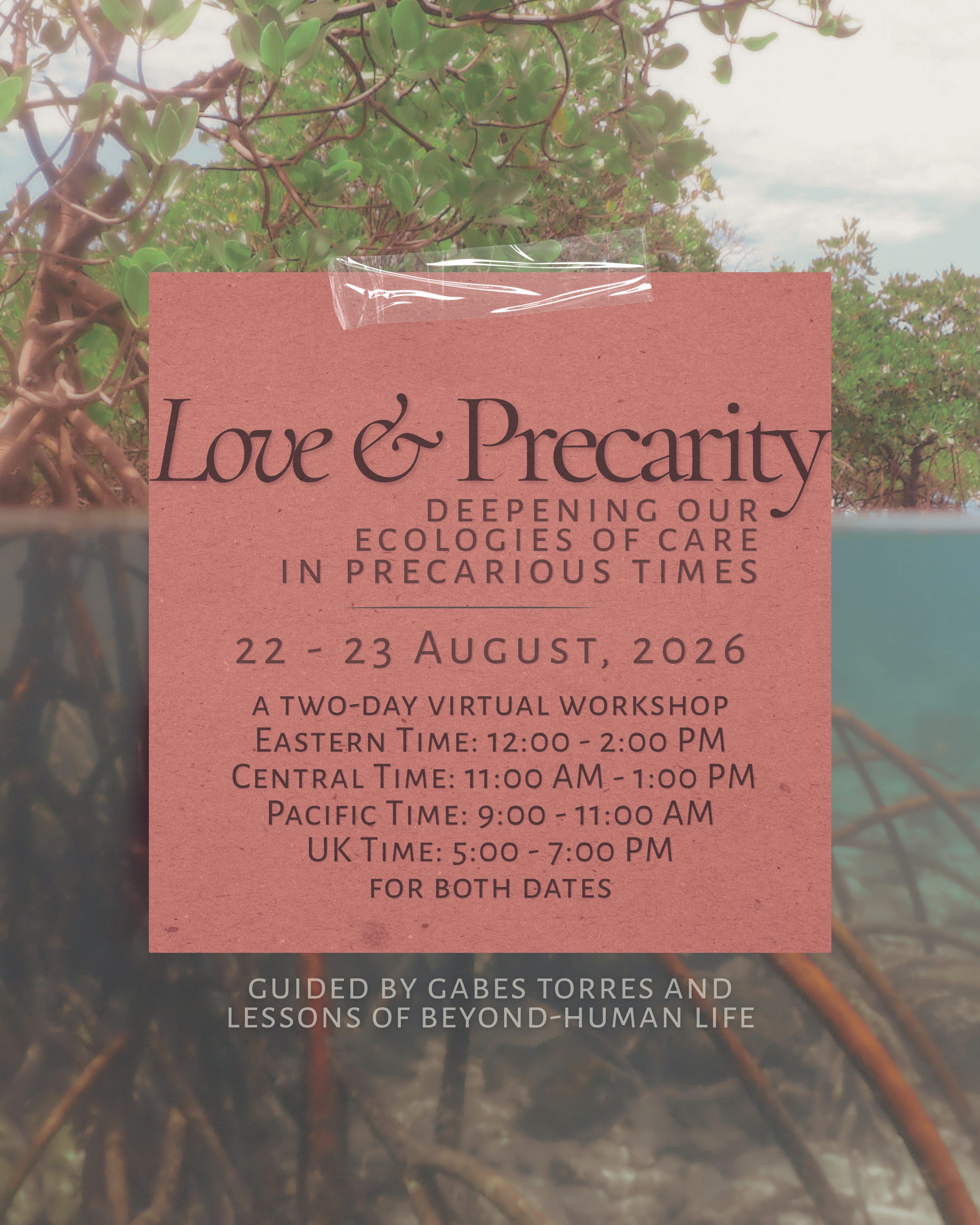
I have an upcoming virtual workshop in August, which might be the pinnacle workshop of my career. 🤫 Please read entire article to learn about it.
I recently wrote a piece on racial trauma for TWLOHA. Read here.
I am looking for temporary housing in London for all of October, and I welcome any leads! Ideally in an area near Northern, Piccadilly, or Victoria lines. Mwa mwa.
Of all the times I could have been in the UK, it had to coincide with a historic week when London endured its hottest heatwave on record.
Amidst the scorching weather, I was attending London Climate Action Week, where some workshops on rising temperatures were cancelled precisely because of the heat.
“An event [at London Climate Action Week] due to be held in central London about how the world can adapt to extreme heat has been cancelled due to soaring temperatures,” a BBC article reported.
Even I — Gabes Torres who grew up on the islands and generally enjoys warm weather — suffered.
London was even hotter than the Philippines that week. Most homes and buildings do not have the proper infrastructures for blistering temperatures, as most of them are architecturally built to contain heat, making it worse for UK residents.
During my research on ecological grief, I encountered the phenomenon of solastalgia by Glenn Albretch. Unlike nostalgia, which is a longing for a home or a past that has become distant in time and space (I also enjoyed this short piece by Anthroprospective that also considers it a “a way of making sense of change”), solastalgia is a homesickness one feels even while they are still in their home, because the place itself is either changing or disappearing.
My research mainly focused on the fisher and coastal communities of the Global South, who are at the forefront of climate catastrophe and who—even though they do not use the word directly—have already been enduring various levels of solastalgia.
During my interviews and conversations with fisherfolk and fish vendors, they shared that they no longer recognised the ocean they had grown up with. The waters and waves no longer followed the familiar weather patterns to which these coastal communities had always been attuned.
These increasingly unpredictable patterns elicited ecological grief, which is a grief shaped by their growing misattunement with the waters and marine life beneath them. From what I observed, this grief carried a greater ache because of how these communities considers the ocean as a relative rather than an inanimate landscape or resource— akin to losing a human loved one.
Since my time in the UK, I kept thinking of how everyone will experience it one way or another. It just so happens that the Global South has already been enduring the solastalgic gravity and enormity for years. This homesickness is well on its way to the Global North, and Europe has only been getting glimpses of it.
Precarious times..
I recently announced my next virtual workshop, Love&Precarity, an online gathering that aims to deepen our ecologies of care the midst of increasing precarity. With rapid changes in technology, a worsening environmental crisis, and the rise of totalitarian and fascist regimes, we need gatherings—or “assemblages” as happenings, as Anna Tsing calls them—that fortify our capacity to work together for our rights, safety, and freedoms. We have to come together even in the cacophony of our differences.
I’m going to give this workshop my all, especially because its revenue will help fund my next trip to London before my visa expires in November.
As you might already know, I was recently there to present my research on ecological grief and support a number of social-change and climate campaigns. And still, my return has so much to do with my own emotional survival.
I did not realise how relationally hungry and stagnant I’ve been until accessing the community support I have in London, as well as its vibrant defiance of multicultural and immigrant presence that continues to draw me in.
In order to sustain my work in co-nurturing ecologies of care, I am committed to going back to this complicated city and see what the future holds for me there. I need to make it, ya’ll. Help me make it.
If you resonate with the themes, I hope to see you at the virtual workshop. Please register here.